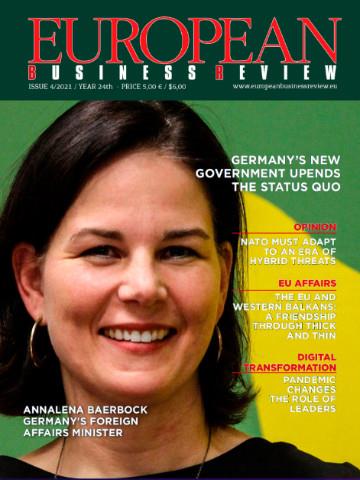
Η Κίνα εγκλωβίζει την Αφρική σε μια «παγίδα χρέους»
Τα κρατικά κινεζικά Ταμεία κατέχουν πάνω από το 60% του χρέους σε 17 χώρες της ηπείρου
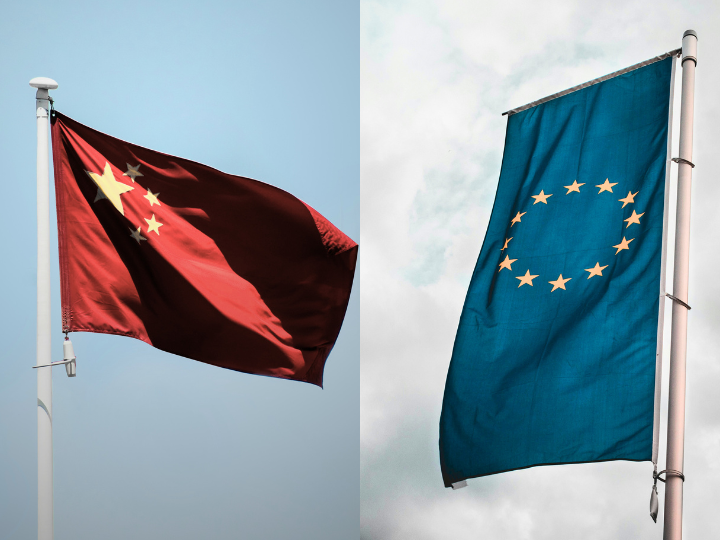
Κίνα: Προς μετωπική με Ευρώπη; Ανεβαίνει κι άλλο το «θερμόμετρο»
Όλο και πιο κοντά σε τροχιά σύγκρουσης για την οικονομία βρίσκεται πλέον η Ευρώπη με την Κίνα, με τις Βρυξέλλες να σκληραίνουν συνεχώς της στάση τους για θέματα ανταγωνισμού

Tα ψηφιακά απόβλητα απειλούν τον πλανήτη
Μπορεί οι παραδοσιακές προσεγγίσεις, όπως η μείωση της κατανάλωσης πλαστικού, να βρίσκονται στο επίκεντρο των ενεργειών για την προστασία του περιβάλλοντος, ωστόσο, υπάρχουν λιγότερο προφανείς μέθοδοι, που έχουν επίσης σημαντικό αντίκτυπο

7 στις 10 τράπεζες αυξάνουν τις ψηφιακές τους επενδύσεις το 2024
Αύξηση των επενδύσεών τους στον ψηφιακό μετασχηματισμό σε ποσοστό έως και 10% εντός του 2024 σχεδιάζουν 7 στις 10 τράπεζες, παγκοσμίως
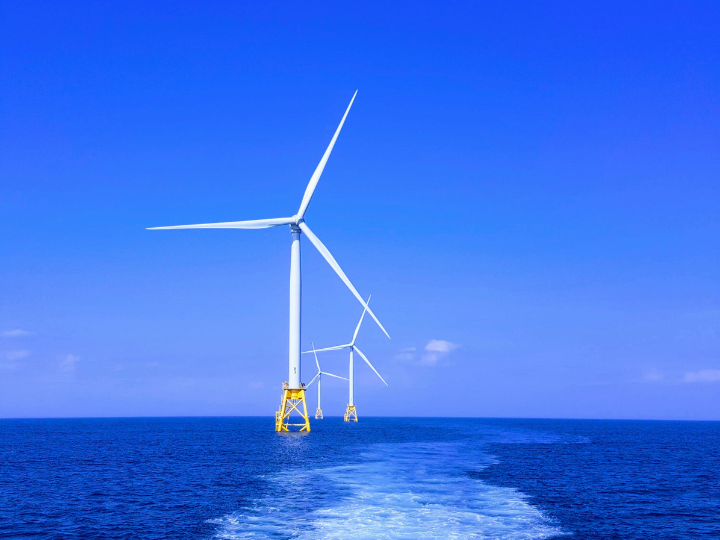
Το ζήτημα της ενεργειακής μετάβασης
Η συζήτηση για το περιβάλλον, την καθαρή ενέργεια και τους στόχους των μηδενικών ρύπων μέχρι το 2050 βασανίζει έντονα την Ευρώπη
ΠΕΡΙΣΣΟΤΕΡΕΣ ΕΠΙΛΟΓΕΣ

Ανάπτυξη ίσον μεταρρυθμίσεις
Τετάρτη, 24 Απριλίου 2024
Η ελληνική οικονομία κατέκτησε σημαντικούς στόχους τα τελευταία χρόνια
περισσότερα για Οικονομία
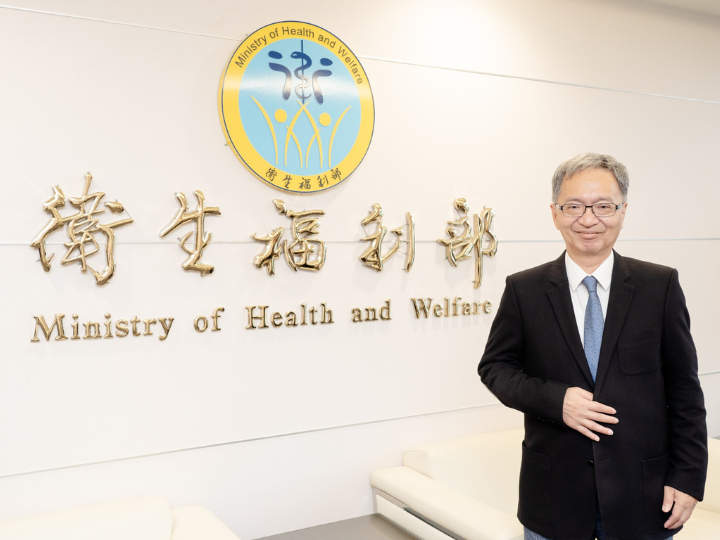
Η αναγκαιότητα της Ταϊβάν στην προετοιμασία για μελλοντικές πανδημίες
Τετάρτη, 24 Απριλίου 2024
Τα τρία χρόνια της πανδημίας COVID-19 είχαν ως αποτέλεσμα τρομερές απώλειες ζωών και επιδείνωσαν τις ανισότητες στην υγεία
περισσότερα για Διεθνή

«Show me the money»: Το μεγάλο ευρωπαϊκό πρόβλημα
Τρίτη, 23 Απριλίου 2024
Μέσα σε περίπου δύο χρόνια η Ευρώπη κινδυνεύει να υποστεί τριπλό σοκ
περισσότερα για Ευρώπη
ΠΡΟΤΕΙΝΟΜΕΝΑ

Αποκαλύπτοντας το αύριο:Επαναστατικές Τεχνολογίες που θα σχηματίσουν την επόμενη δεκαετία
Δευτέρα, 22 Απριλίου 2024
Καθώς μπαίνουμε σε μια νέα δεκαετία, ο τεχνολογικός κόσμος προετοιμάζεται να υποδεχθεί μια σειρά από επαναστατικές καινοτομίες που θα μετασχηματίσουν ριζικά τον τρόπο που ζούμε

Στην τραπεζική ισχύουν και κακοί κανόνες
Πέμπτη, 18 Απριλίου 2024
Η αδυναμία των δημοκρατιών μας να αντισταθούν στην επιρροή των ισχυρών εταιρειών και των ηγετών τους είναι ανησυχητική

Η λέξη που ποτέ δεν λέει ο ηγέτης
Τετάρτη, 17 Απριλίου 2024
Όταν γεννιέται ένα μωρό, ο κόσμος του είναι απλός: εκείνο και η μητέρα του
Απαιτείται αύξηση παραγωγικότητας
Δευτέρα, 15 Απριλίου 2024
Η παγκόσμια οικονομία αντιμετωπίζει μια απογοητευτική πραγματικότητα
ΠΕΡΙΣΣΟΤΕΡΑ ΑΡΘΡΑ

Γεωργιάδης: Μείωση clawback και rebate κατά 300-400 εκατ. ευρώ το 2024
Δευτέρα, 15 Απριλίου 2024
Συνάντηση με εκπροσώπους της φαρμακοβιομηχανίας θα έχει την ερχόμενη εβδομάδα ο υπουργός Υγείας
περισσότερα για Οικονομία

Ελληνική οικονομία: Μήπως ετοιμάζεται μια νέα φούσκα;
Δευτέρα, 15 Απριλίου 2024
Δύο βασικά χαρακτηριστικά της ελληνικής οικονομίας παρουσιάζουν ιδιαίτερο ενδιαφέρον για συζήτηση σήμερα
περισσότερα για Οικονομία

Dzurinda: Η ΕΕ δεν έχει άλλα περιθώρια καθυστερήσεων
Παρασκευή, 12 Απριλίου 2024
Τη σημασία των επικείμενων Ευρωεκλογών και τη μεγάλη πρόκληση που συνιστά η ακροδεξιά για την κοινή πορεία της Ευρώπης, ανέδειξε η συζήτηση που διοργάνωσε το Martens Centre και το Ινστιτούτο Δημοκρατίας Κωνσταντίνος Καραμανλής
περισσότερα για Ευρώπη

Nusrat Ghani: Η Ουκρανία είναι η καθοριστική μάχη της γενιάς μας - Να χτυπήσουμε τον Πούτιν εκεί που πονάει
Παρασκευή, 12 Απριλίου 2024
«Καθοριστική μάχη της γενιάς μας», χαρακτήρισε τον πόλεμο στην Ουκρανία, η κυρία Nusrat Ghani, Minister of State for Europe in the Foreign, Commonwealth and Development Office, United Kingdom
περισσότερα για Διεθνή

Άμεση η ανάγκη επίλυσης του Κυπριακού για την ευημερία της ευρύτερης περιοχής
Παρασκευή, 12 Απριλίου 2024
Την ανάγκη επανέναρξης των διαπραγματεύσεων προκειμένου να προχωρήσει η λύση του Κυπριακού προβλήματος και να υπάρξει μια λύση αμοιβαία επωφελής για όλες τις εμπλεκόμενες πλευρές τόνισαν οι ομιλητές
περισσότερα για Ευρώπη
 Από: Athanase Papandropoulos